
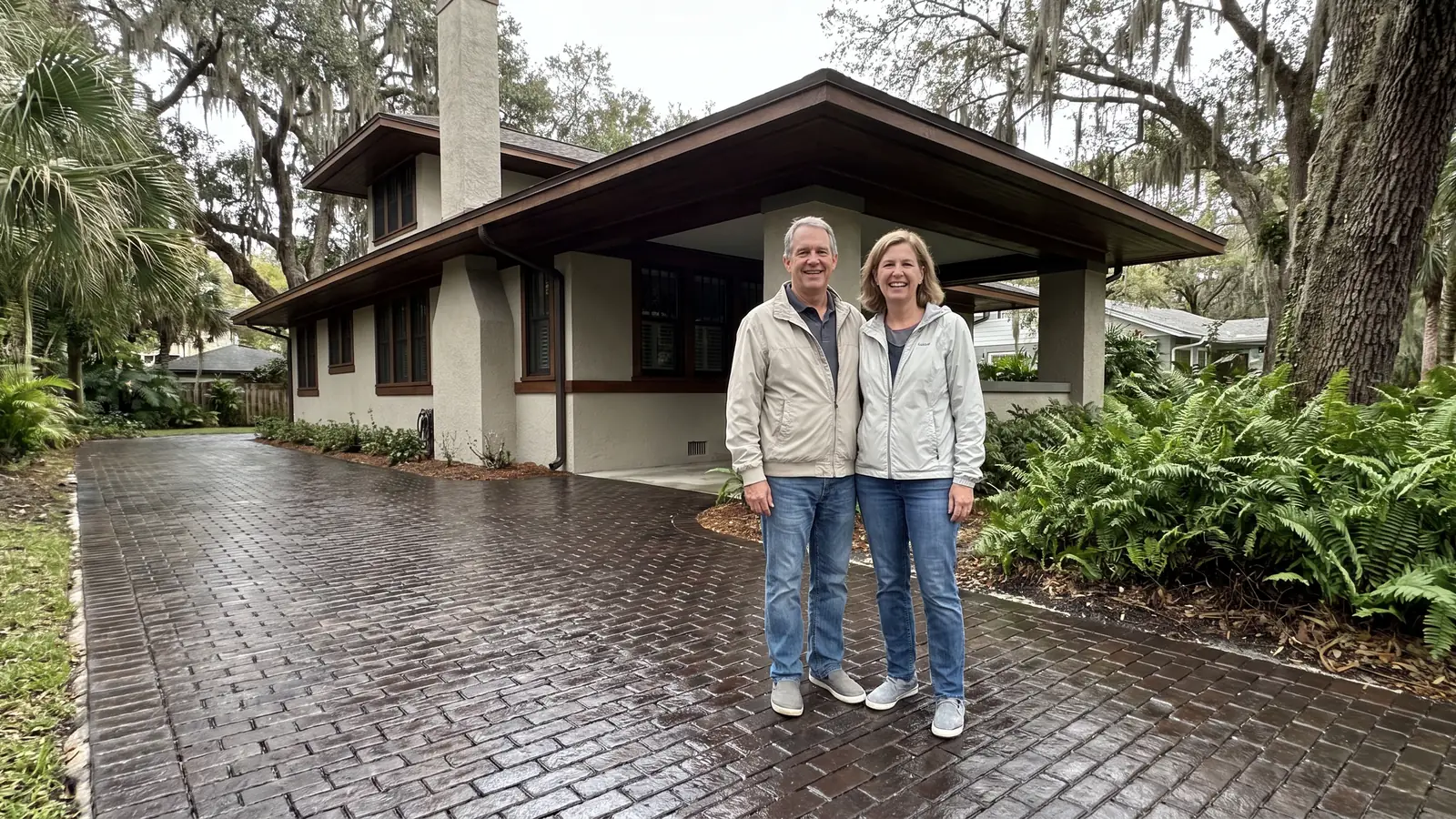
Paver sealing for Panama Park homes
Paver Sealing in Panama Park, FL
Panama Park pavers under the old street trees can look new again, so call (904) 569-7795 for a free estimate.
- Brings out deeper paver color
- Fresh joint sand helps lock pavers in place
- Gives weeds less room to grow
- Makes the surface easier to keep clean
- Free estimate, no obligation
Request a Free Estimate
Free, no obligation.
Fast, careful paver sealing in Panama Park
Paver sealing in Panama Park starts with a free estimate from a local contractor, and you will hear back within 1 business day, usually much sooner. Driveways, front walks, pool decks and patios on both sides of the railroad are all fair game. To get on the schedule, call (904) 569-7795.
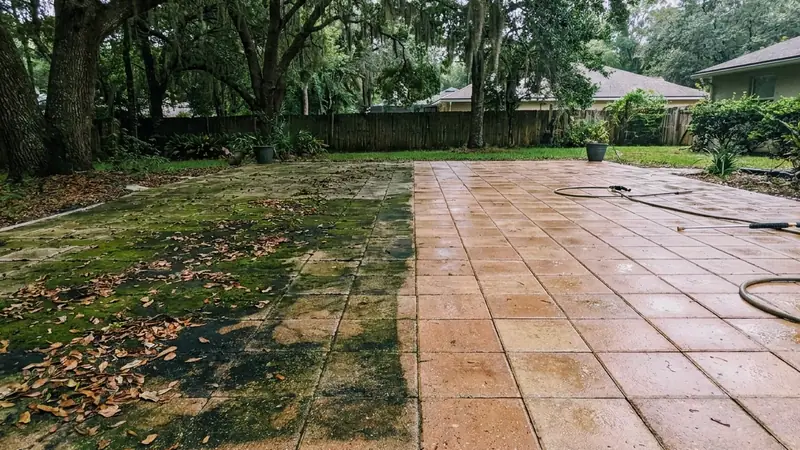
Picture the walk to your front door with green film in the joints and a gray, tired look from the shade. A wash, fresh sand and a coat of sealer bring those same pavers back to one even color. Tell the contractor what you see when you ask for a free estimate, and you will hear what the job takes.
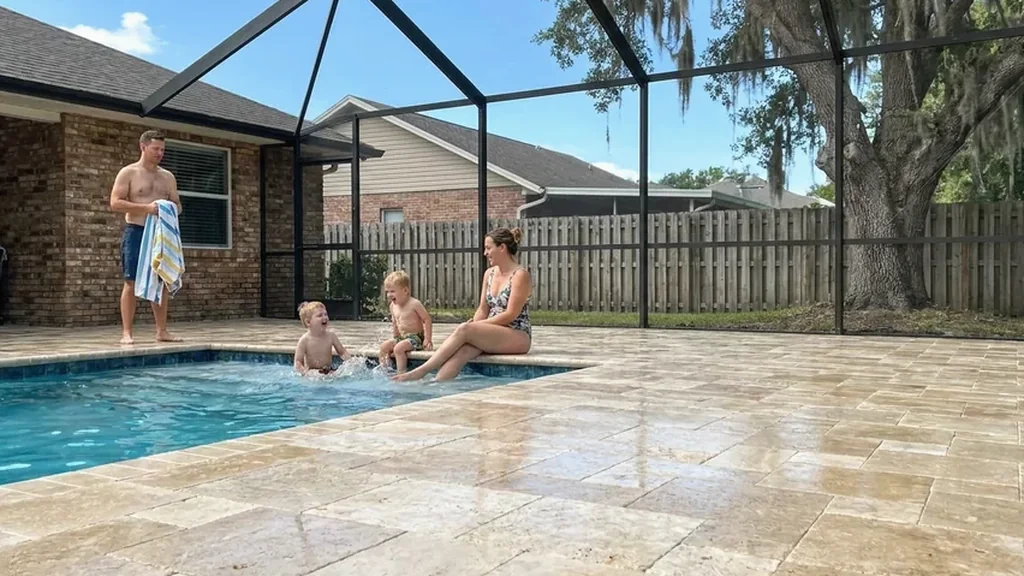
Why hire a local paver sealing contractor in Panama Park?
Panama Park homeowners lean toward a local paver contractor because the Trout River, tall shade trees and sandy ground all change how a job goes. To hear how that fits your street, call (904) 569-7795.
A free look at your pavers
A contractor comes out, measures your Panama Park drive or patio and names a price before anything is agreed.
A price you can check
Companies in this region commonly publish $1.75 to $3.25 per square foot to clean, sand and seal, so you can test any quote against it.
You pick the finish
Matte keeps brick red and tan tones calm. A wet look deepens color but shows scuffs sooner, and the choice is yours.
You stay in charge
You set the day and decide yes or no. A Panama Park estimate never obligates you to hire anyone.
Get Your Free Estimate in Panama Park
Tell us about your pavers in Panama Park.
Free, no obligation
What paver problems show up most in Panama Park?
Shade from old street trees
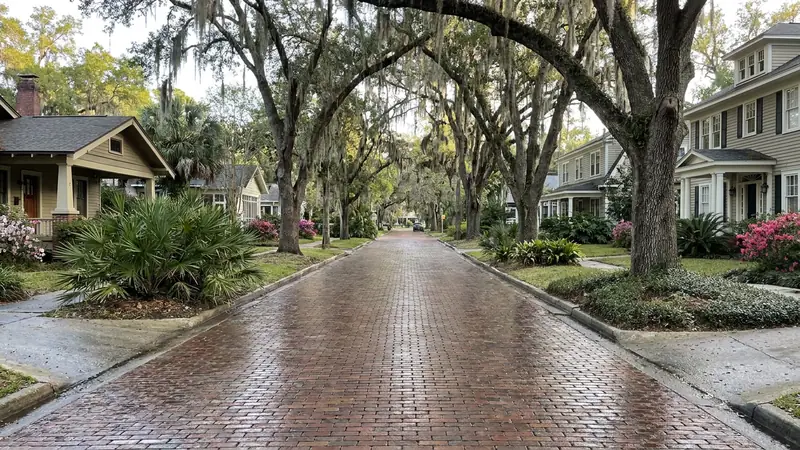
An early promotional description of Panama Park counted over 8,000 trees along its streets, including magnolias, oaks, olives and cedars. Landscape Ontario says concrete pavers should not grow moss or algae unless the area is heavily shaded. So a walkway under those branches is the spot where green film shows up first, and it needs a wash before any sealer. Leaf drop adds brown tannin stains on top of the green.
Sandy ground and summer downpours
The USDA describes the Ortega soil series, first mapped in Duval County, as deep sand. Rain here totals about 52 inches a year, mostly between May and September. Hard rain can push sand out of paver joints, and joints that run low let soil in and give weeds a start.
Damp ground near the Trout River
The Trout River is about half a mile wide where Main Street crosses it, and the USDA says the water table in Ortega sand rises for days after heavy rain. A low yard near the water can stay damp long after a storm. Sealer needs a dry surface, so a lot like that may wait longer for its turn. The contractor can often tell on the first visit which corner of the drive holds water.
Rust marks if sprinklers run on a well
Most Florida well water is rich in iron, a University of Florida extension page notes, and it can leave orange stains where it lands. If your Panama Park yard waters from a well, look for rust-colored lines on the pavers near the spray. Those marks get treated before sealing, because a coat on top would lock them in. A quick look at where your sprinkler heads point can save a second cleaning later.
A sealer history nobody wrote down
About 57 percent of occupied homes in ZIP 32208 are owner-occupied, so many Panama Park properties have changed hands over the years. An earlier owner may have rolled on a product nobody wrote down. A water-based coat will not bond over a solvent-based one, so the contractor first figures out what is down there. A water drop test and a close look at the sheen usually give a good clue.
Does paver care change between Oakwood Street and the Trout River side?
It can, because Panama Park holds old railroad-suburb streets and a river edge, and each has its own shade and drainage. Well-kept historic homes stand in the Oakwood Street area, which runs between Main Street, East 63rd Street and the CSX railroad. Near 44th Street most residences are brick, so rinse water needs care beside the walls. Tell the contractor which side of the tracks you are on when you ask for a free estimate.
The developer behind the 1905 railroad suburb sold lots from 1910, with restrictions that set homes at least 25 feet back from the street. Many properties keep a long stretch of walk or drive out front. That is more paver to wash, sand and seal than a tight modern lot has. Call (904) 569-7795 with a rough measurement and the contractor can talk through the total.
Near the water, Main Street crosses a river half a mile wide, and marinas, seafood markets and fuel terminals line parts of the shore. Homes there get open sky, while inland streets sit under magnolia and oak canopy. A patio behind a brick house near the city park may dry fast or stay green all winter, depending on the leaves. If you cannot tell which kind you have, ask for a free estimate and the contractor will look.
What does paver sealing cost in Panama Park?
Published prices across Northeast Florida land between $1.75 and $3.25 per square foot for a full clean, sand and seal. A Panama Park job lands inside that band based on how much shade growth is on it, how much joint sand is gone and whether an old coat has to come off first. A failed old coat that must be stripped first pushes the price toward the top of that band. For a figure on your pavers, ask for a free estimate.
Size and access count too. Smaller jobs cost more per square foot because prep time does not shrink with the surface, so one front walk prices higher per foot than a drive and pool deck done together. Locked gates and tight side yards add setup time. Call (904) 569-7795 and describe the lot so the quote starts from the real layout.
| Paved area | Typical example | Clean, sand and seal |
|---|---|---|
| 300 sq ft | Small patio or walkway | $525 to $975 |
| 600 sq ft | Two car driveway | $1,050 to $1,950 |
| 1,000 sq ft | Large driveway or pool deck | $1,750 to $3,250 |
| 1,500 sq ft | Driveway plus pool deck | $2,625 to $4,875 |
Math based on the $1.75 to $3.25 per square foot that Northeast Florida paver companies publish. Your contractor sets the actual price after seeing the surface. Repairs, leveling and stripping failed sealer are usually extra.
How does a paver sealing job work in Panama Park?
Walk the lot and read the surface
The contractor starts at the street and looks at where Panama Park runoff drains and where shade holds water. Spots that have sunk or lifted are reset before anything else, since a coat of sealer locks in the shape under it. If an old coat is peeling or patchy, the product matters, since water-based sealer cannot go over solvent-based. Mention any roots, low spots or places where water pools after rain, since that shapes the plan.
Wash off the green and the grime
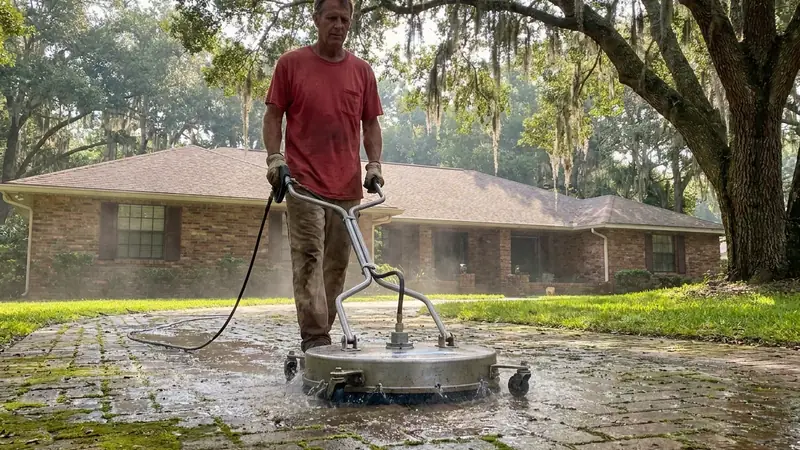
Next comes cleaning, with extra time under tree cover where algae and leaf stains build up. A trade supplier warns that going over 3,000 PSI on standard concrete pavers risks stripping the surface, so pressure stays controlled. Rinse water is kept off brick walls and flower beds. Rust spots and oil get their own treatment, and so does any stain left by leaves or mildew.
Put the sand back in the joints
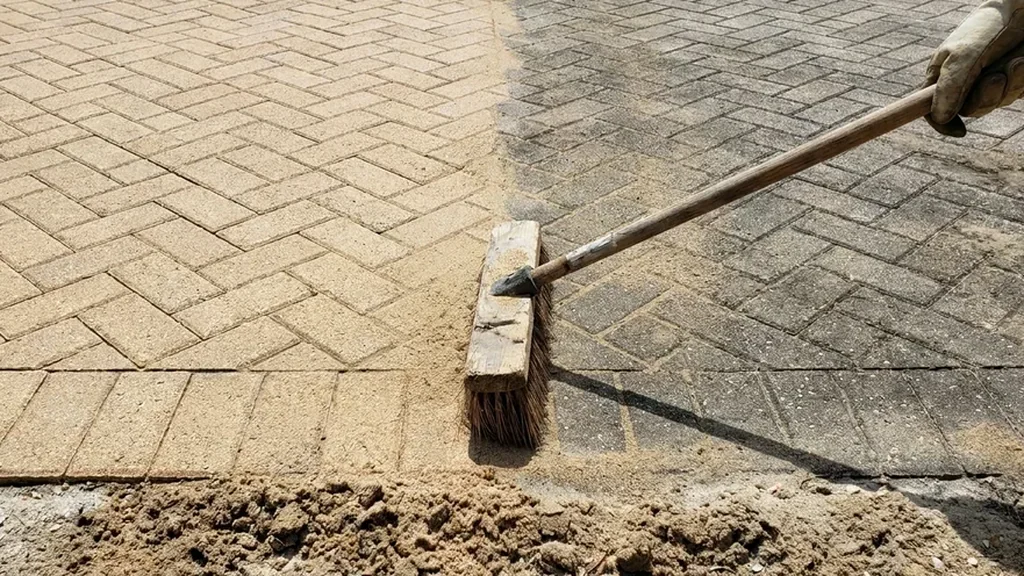
Washing pulls joint sand out, so the contractor refills the joints before any sealer goes on. On the sandy ground here, open joints let soil settle in and weeds follow. Each joint gets filled to the top and the surface is swept. Skipping this step is how a freshly sealed driveway ends up with gaps along the edges. Full joints also help the pavers stay locked together.
Let the pavers dry all the way
One sealer maker says most of its products need the surface to dry about 24 hours after cleaning or rain. A Panama Park lot near the river, or under heavy shade, can take longer than a sunny drive. Checking the forecast and waiting beats sealing damp pavers, and a careful contractor does exactly that. Trapped moisture is what turns a finish cloudy, and a cloudy coat is costly to fix. Patience on this day saves a redo.
Apply the finish you picked
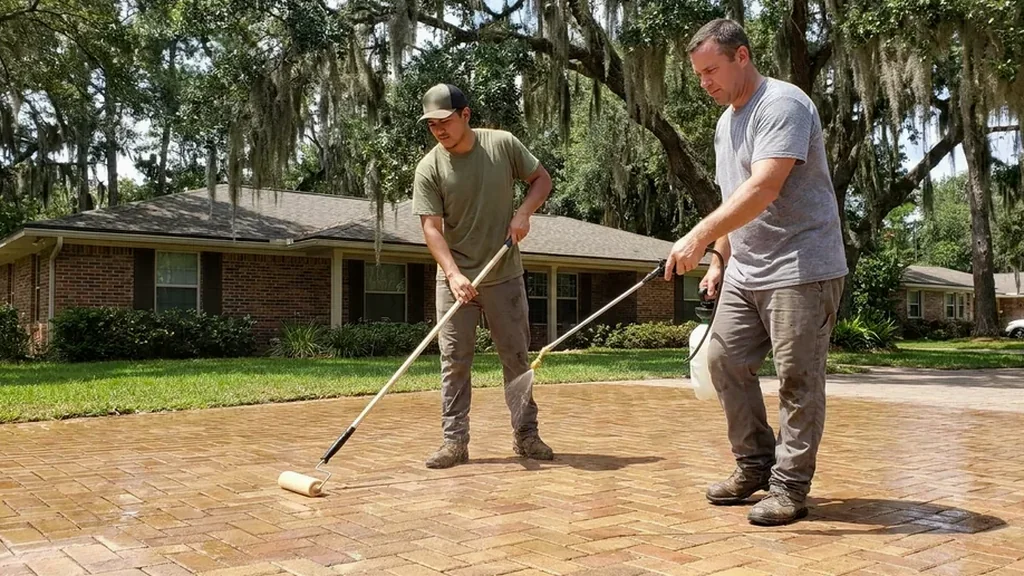
Now the sealer goes on, sprayed and then back-rolled so it works into the joints. Wet look sealer deepens color, though it shows scuffs earlier than matte. Plan on a fresh coat somewhere between year two and year five, with shade pulling it earlier. Per one local company, walking on the surface is usually fine after a few hours, and vehicles wait roughly a day. Keep the sprinklers off the area until the coat has cured, which the contractor will confirm.
Complete paver services in Panama Park
A Panama Park job moves in a set order: wash, re-sand, dry and seal. The wash clears green film and grime, then new sand goes into the joints. Sealer goes on last so nothing dirty gets trapped under it. To ask how long each stage might take on your lot, call (904) 569-7795.
Driveways carry the heaviest wear, since tires and turning weight loosen joint sand. Front walks and garden paths under the old trees go green first. Pool decks and back patios need a finish that suits wet feet, which is worth raising early. Tell the contractor which of these you have when you ask for a free estimate.
Sealer choice comes down to a film-forming coat or a penetrating one, and then to matte or wet look. Film-forming coats sit on top and firm up the joint sand, while penetrating ones soak in and leave the color alone. If an earlier owner left a solvent-based coat, a water-based product cannot follow it. Call (904) 569-7795 and the contractor will walk through which one suits your pavers.
Jacksonville rain comes mostly from May to September, so a Panama Park date can slide. Spring and fall tend to offer steadier weather for sealing, according to one local company. A patio near the Trout River may stay damp long after a sunny drive has dried. To check open dates, ask for a free estimate.
Questions to ask before you hire
- If afternoon storms roll in, what does the written estimate say about rescheduling?
- Some of my pavers have a chalky white film. Will sealing lock that in?
- How much water pressure do you use, and could it pit the surface?
- Does the sealer change how slippery the surface feels when it rains?
- Will the joints get topped up with sand before the sealer is applied?
- Which sheen will my pavers end up with, and is that something I pick?
- Will my red and tan pavers keep their natural tone after sealing?
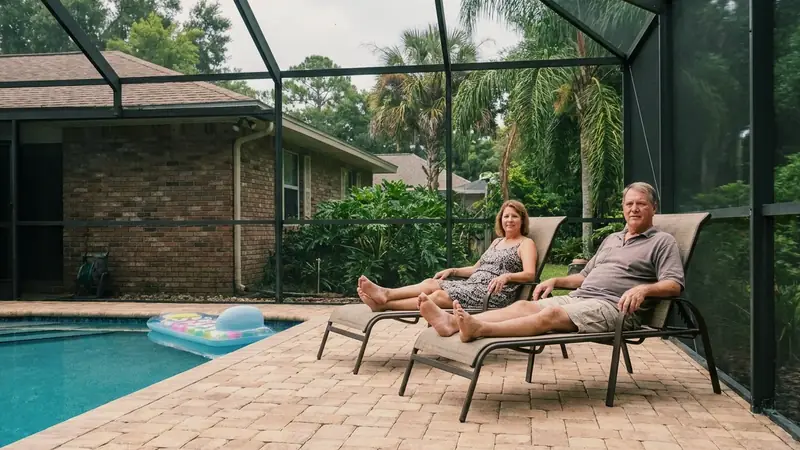
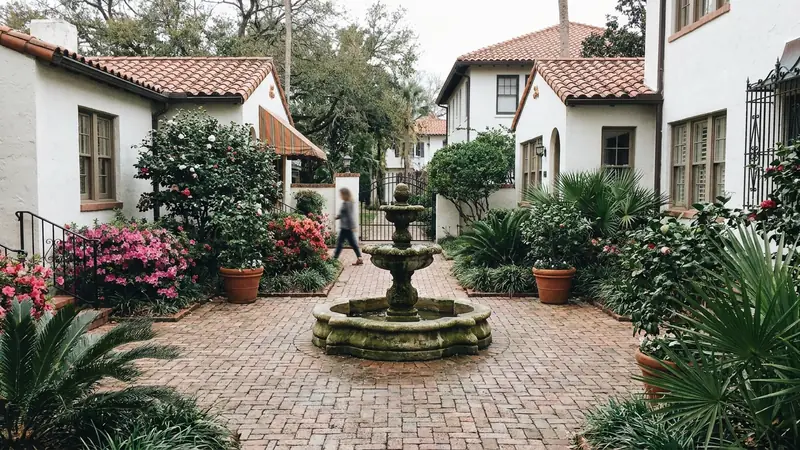
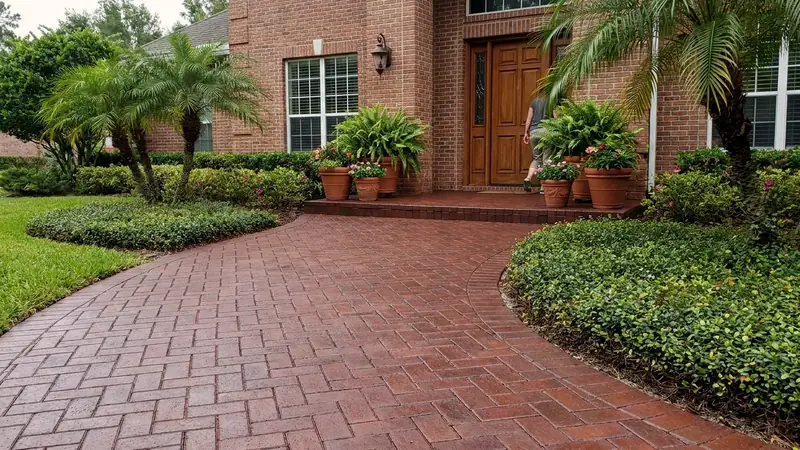
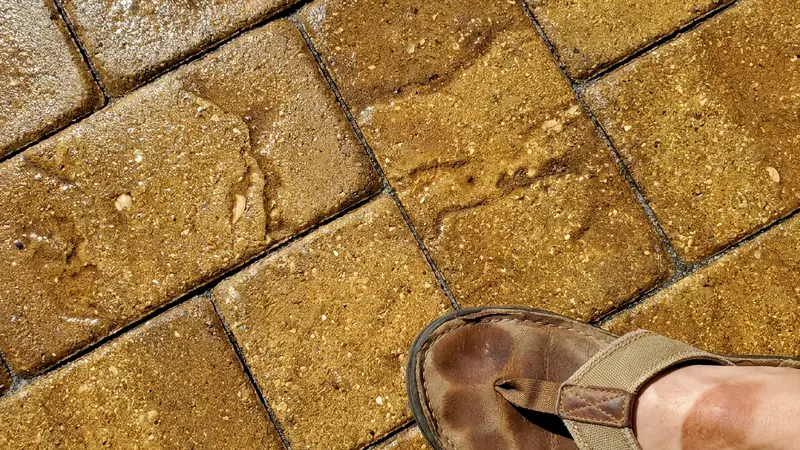
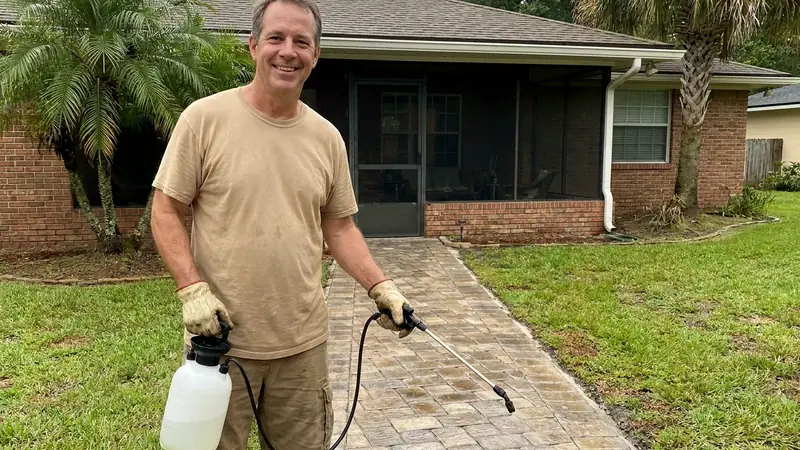
What do sealed pavers look like around Panama Park?
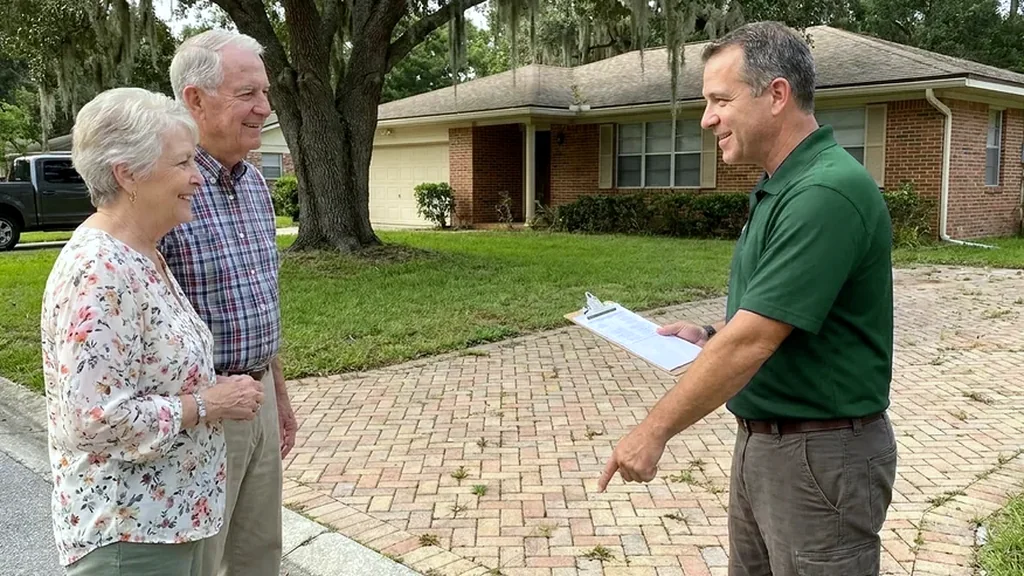
Why local matters in Panama Park
A contractor who works around Panama Park will ask how your yard handles water after a storm, because the ground sits between the Trout and St. Johns rivers. Tides reach far up the St. Johns and affect it strongly near Jacksonville. That history decides how much drying time to plan, and it is the sort of thing a visit from across town tends to miss. To talk with someone who works around the Trout River, call (904) 569-7795.
Homes here range from early bungalows to brick houses near 44th Street, and each treats rinse water differently. A local contractor knows to keep cleaner and spray off older brick and off flower beds. That kind of care is easy to skip when a crew comes from across town. If your house is among the older ones, ask for a free estimate and mention roughly when it was built.
Shade matters as much as water here. Streets that once held magnolias, oaks and cedars still give plenty of canopy, and a contractor who has seen those yards plans for the extra cleaning time. You get a plan built around your trees, not a flat price over the phone. Call (904) 569-7795 to describe your yard and ask what to expect.
Does it help to hire someone who knows Panama Park's history?
Yes, because the neighborhood grew around its industry and its river. Charles Sibbald built East Florida's first steam-powered sawmill at Panama Park in 1828, and his son-in-law Farquhar Bethune opened a brick kiln there. The Cummer Lumber Company followed in 1896, and the Old Trout River Bridge Pier on Main Street dates to 1930. If you live near any of it and want a quote, ask for a free estimate.
The city park at 6912 Buffalo Avenue sits on ten acres bought in 1929 and has a splash pad, tennis courts and ballfields. Lola M. Culver Elementary opened in 1916 with two towers topped by terracotta eagles, and the Bert Maxwell Boat Ramp has served the Trout River since 1961. If you live near one of these Panama Park spots, call (904) 569-7795 and give your street.
The shoreline tells the rest of the story. Panama Park has miles of frontage along the Trout and St. Johns rivers, with marinas, seafood markets, petroleum terminals and a commercial diving academy. Those working docks sit a short drive from quiet streets of bungalows and brick homes. If you live a few blocks from the water, ask for a free estimate.
Frequently Asked Questions
What does paver sealing cost per square foot in Panama Park?
Budget $1.75 to $3.25 per square foot for the full clean, sand and seal, which is the spread local companies publish. Where a Panama Park job lands depends on shade growth, lost joint sand and any old coat that has to come off. Ask for the total square footage in writing so you can compare the quote to that range.
Is it good to seal pavers in Panama Park?
Yes, for most homes. One Jacksonville company says the sun noticeably fades unsealed concrete pavers within 3 to 5 years, and heavy summer rain flushes sand out of the joints. A sealed surface holds its color and its joint sand longer, which matters on a sandy Duval County lot.
How long do paver sealers last in Panama Park?
Most coats are redone between year two and year five. One local company puts full-sun driveways at about 18 to 24 months and shaded walkways at about 24 to 36 months. Heavy tree cover and daily tires are good reasons to plan toward the shorter end.
Does a contractor clean, sand and seal pavers in that order?
Yes, that is the usual order. The surface is washed first, the joints are refilled with sand, the pavers dry fully and then the sealer goes on. Doing it any other way traps dirt under the coat or leaves the joints open.
How soon can I walk or park on my Panama Park pavers after sealing?
Plan on a few hours for foot traffic and about a day for cars, as one Jacksonville company puts it. The product label and the day's weather set the exact wait. Ask the contractor for the product's own times.
Can pavers near the Trout River be sealed if the ground stays wet?
Only when the surface is fully dry. Sealer over damp pavers can turn cloudy or blotchy. If your lot holds water after storms, the contractor may pick a dry stretch and may check the low end of the drive first.
Will sealing hide the green film in my Panama Park joints?
No, the film has to be washed off first. A coat over green growth would lock it in. After cleaning and re-sanding, a sealed surface is harder for moss and weeds to hold onto.
Can pool decks and back patios in Panama Park be sealed too?
Yes, and many jobs include them with the drive. A pool deck stays wet, so the finish matters more there. Ask the contractor which product suits wet feet and how it handles grip.
What happens if it rains the week my Panama Park job is booked?
The date moves. Sealer needs a dry surface, and Jacksonville gets most of its rain from May to September, often in short, hard storms. A contractor will usually offer the next dry window, and a shaded lot may need an extra day to dry out.
What if an earlier owner already sealed my pavers?
The contractor needs to identify the old product first, because water-based sealer cannot go over solvent-based sealer. A patchy or peeling coat may need stripping before cleaning. Pass along any receipts or product names that turn up in the garage.
Do the brick homes near 44th Street change how my pavers get cleaned?
Yes. Brick walls soak up rinse water and cleaner, so the contractor keeps the spray low and rinses well. Walkways that meet a brick wall are washed away from it. Tell the contractor where your pavers meet the house.
Will sealing stop weeds in my Panama Park joints?
It helps a great deal. Weeds start where joints widen and soil gets in, and full, sealed joints leave little room for that. The joints need fresh sand first, since the wash empties them. A joint that opens later can be touched up.
Nearby areas we serve
Ready for a Free Estimate in Panama Park?
Call (904) 569-7795 and tell us about your pavers.
Free, no obligation